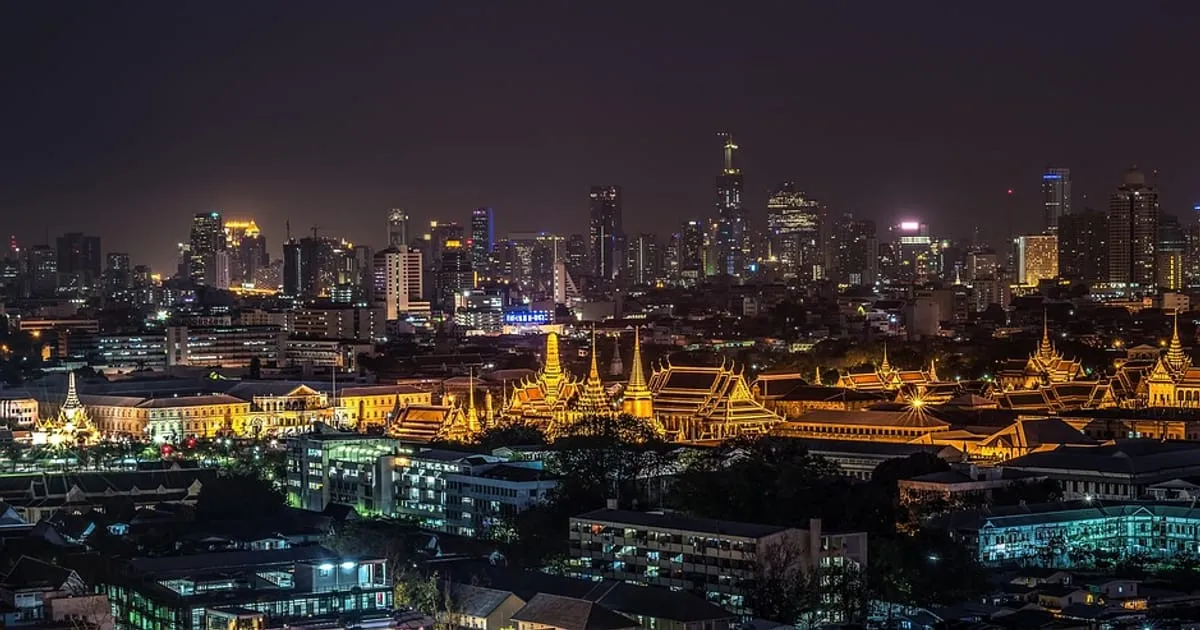
So you booked the idea before the trip. You told a friend you’re finally going to Thailand, and now you’re staring at a map wondering how a country with beaches, temples, street food and some of the wildest nightlife on the planet fits into one or two weeks. Good news: it does, and it’s easier than the forums make it sound. This guide walks a first-timer through the whole arc, from finding a flight to surviving night one, without the fluff.
Key Takeaways
- Pick two or three bases max for a 1 to 2 week trip; chasing the whole country burns your holiday in airports
- Book flights early and flexible, and search a wide date range, because shifting your departure by two days can cut hundreds off the fare
- Stay in a guest-friendly hotel if you plan any nightlife, or you risk a joiner fee at the door
- Carry cash, use Grab and Bolt for taxis and moto-taxis, and check Thailand’s 2026 visa and arrival card rules before you fly
How long should a first Thailand trip be?
For a first visit, one week covers one or two cities and two weeks covers a city plus an island without the rush. The Tourism Authority of Thailand is a solid starting point for trip planning and official regional info. Long-haul jet lag will quietly steal your first day, so plan light for day one no matter how long you stay. Don’t try to “see Thailand” in a week. You’ll see the inside of vans.
The classic rookie error is the over-packed route: Bangkok, Chiang Mai, Phuket, Krabi, all in nine days. Each move costs you a half-day of transit, a hotel checkout, and the small tax of figuring out a new place from scratch. Two well-chosen bases beat five rushed ones every time.
A simple split that works: spend the first stretch in Bangkok for temples, markets, rooftop bars and the famous red-light streets, then move to either Pattaya for easy beach-plus-nightlife or an island like Phuket or Koh Samui if you want sand over neon. Want both worlds? Two weeks gives you Bangkok, Pattaya, and an island with room to breathe.
When is the best time to visit?
The cool, dry season from November to February is the most comfortable window, with lower humidity and little rain across most of the country. It’s also peak season, so flights and hotels cost more and the popular spots get busy. Trade-offs everywhere, right?
March to May is hot, genuinely hot, with Bangkok regularly pushing past 35°C. June to October is the rainy season, but “rainy” usually means a heavy downpour for an hour, not all-day grey. The upside of green season is cheaper rooms and thinner crowds. For a first trip where you don’t yet know what you like, aim for the shoulder months of November or late February to dodge both the worst heat and the highest prices.
One thing to know: the islands run on two different weather clocks. The Andaman side (Phuket, Krabi) and the Gulf side (Koh Samui, Koh Phangan) have opposite rainy seasons, so if one coast is wet, the other is often dry. Pick your island to match your dates, not the other way around.
How do I find a good flight to Thailand?
Search a flexible date range and book a few months out, because Thailand fares swing hard with season and weekday. Bangkok’s Suvarnabhumi (BKK) is the main gateway and almost always the cheapest landing point, so route through there first and hop onward locally if you need to.
Start on a comparison search rather than a single airline site. Use the search box below to scan live routes and prices, then play with your dates: shifting departure by a day or two, or flying mid-week instead of weekend, often shaves a real chunk off the total.
A few habits that save money and headaches:
- Fly into BKK, not the islands directly. Domestic AirAsia or Thai Lion hops to Phuket or Samui are cheap and frequent, and the international fare to Bangkok is usually lower than a one-stop straight to the beach.
- Watch the layover. A 90-minute connection sounds efficient until your first leg is late. For a first long-haul, give yourself a buffer.
- Check baggage rules per leg. Budget Asian carriers price bags separately and the add-on at the airport hurts.
Once you’ve got a rough fare in mind, lock the dates before prices climb. Flexible tickets cost a little more but they’re worth it on a first trip when plans shift.
Where should a first-timer stay?
Stay central and stay guest-friendly. For nightlife and easy transit in Bangkok, base yourself around Sukhumvit (Nana or Asok); in Pattaya, the Soi Buakhao and LK Metro corridor puts bars, food and value hotels on one walkable strip.
Here’s the part most guidebooks skip. If there’s any chance you’ll bring someone back to your room, the single most important booking decision is whether the hotel is guest-friendly. A guest-friendly hotel lets your registered overnight visitor sign in with ID at reception and that’s it, no extra charge. A hotel that isn’t will hit you with a “joiner fee” of 300 to 1,500 baht, or turn your guest away at the door. We cover the whole mechanic in the joiner fee guide, and it’s worth five minutes before you book.
For Bangkok first-timers, a few hotels widely listed as guest-friendly near the action (confirm the current policy with the hotel before booking):
- Nana Hotel, the legendary one, with Nana Plaza literally on the property
- Aspen Suites Sukhumvit 2 for comfort and value a short walk from Nana
- Citrus Suites Sukhumvit 6 for a quieter base still inside the zone
For Pattaya, the Soi Buakhao area gives you the best value:
- Sunbeam Hotel Pattaya, a long-running favorite widely listed as guest-friendly near the action
- Sunshine Hotel & Residences, dead central on Soi Buakhao with bars at the door
The full vetted lists, with honest joiner-policy labels, live in our Bangkok guest-friendly hotels and Pattaya guest-friendly hotels guides. Even if nightlife isn’t your thing, central and well-reviewed beats a cheap room in a dead neighborhood that costs you a 250-baht taxi every time you move.
One more habit that pays off: don’t book the same hotel for your whole stay. Change rooms every four or five days max, even when you’re staying in the same area. A fresh booking resets any awkward history with reception, often lands you a better rate or a newer property a block over, and gives you a clean slate on the joiner policy if the first place turned out stingy. Two five-night bookings beat one ten-night booking nearly every time.
How do you handle money, SIM and transport?
Thailand runs on cash and apps. Pull baht from an ATM on arrival, install Grab for transport, and grab an eSIM so you have data the moment you land. These three things solve 90% of first-day friction.
Cash. Many bars, street stalls and small shops take only cash. As of mid-2026, Thai ATMs charge a fixed 220-baht foreign-card fee per withdrawal, a charge the Bank of Thailand tracks in its public notices, so take out a larger amount fewer times rather than small grabs all day. Keep a stash in the hotel safe and carry what you need for the night.
Getting around. Use Grab and Bolt for everything. Both show the fare before you book, so there’s no haggling and no meter games. Run both apps and compare; one is often cheaper than the other on a given route. They cover cars and motorbike taxis, so a Grab or Bolt moto-taxi is the fastest, cheapest way to cut through traffic on short hops, while a car is better for longer rides or when it’s raining. In Bangkok the BTS Skytrain and MRT are still the kings for beating the gridlock that turns a 3km trip into a 40-minute crawl. Metered street taxis are a backup at best; if a driver quotes a flat price instead of the meter, wave him off and open an app.
SIM and data. An eSIM from a provider like Airalo gets you online before you even leave the airport. Prefer a physical SIM? AIS, True and Dtac all sell tourist SIMs at the airport with generous data for a week or two. Don’t rely on hotel wifi alone; you’ll want maps and Grab everywhere.
Scams to shrug off. “The Grand Palace is closed today, let me take you to a gem shop.” It isn’t, and don’t. Agree any taxi or tuk-tuk price before you get in. Don’t sign anything for a “free” jet ski. None of this is dangerous, it’s just the tourist tax for not checking first.
What’s the visa and entry situation for 2026?
Most Western visitors still enter Thailand visa-free, but 2026 brought changes you need to verify before booking. In 2026, per the Tourism Authority of Thailand, the headline shift is that the generous 60-day visa exemption is being rolled back, so don’t assume the old stamp length still applies to your passport.
Two things to do before you fly. First, confirm your nationality’s current visa-free allowance on an official source, because the number changed and forum posts go stale fast. Second, as of mid-2026, fill in the Thailand Digital Arrival Card (TDAC) from the Royal Thai Government online within three days before you land, using the official TDAC immigration portal. It replaced the old paper form and skipping it slows you down at immigration. We track the moving rules in detail in our Thailand visa exemption guide.
Also pack the boring stuff immigration can ask for: proof of onward travel and an address for your first night. They rarely check on arrival, but a printed hotel booking and a return flight cost nothing to have ready.
How do you survive your first night out?
Thai nightlife has its own etiquette, and breaking it marks you instantly as the clueless tourist. The core rules: pay for drinks as you go, ask before photographing anyone, and understand the lady drink and bar fine systems before you sit down.
The first night is where most first-timers either have a great time or get burned, so a little prep pays off. A few essentials:
- Lady drinks. If a girl sits with you in a bar, buying her a drink is the expected move, and it costs more than your beer because a cut goes to her. That’s the system, not a scam. Our lady drink guide breaks down the real prices.
- Bar fines. Want to take someone from a gogo bar elsewhere? You pay the bar a fee for the early leave. Know the number before you commit.
- Gogo bar etiquette. No photos inside, settle your chit when it comes, tip reasonably, and don’t be the loud guy. The full list is in our gogo bar etiquette guide.
- Know the venue types. A beer bar is not a gogo bar, and the difference changes the vibe and the cost.
For a city-specific run-through, the first night in Bangkok tips and the Pattaya nightlife guide walk you through where to go and what to expect zone by zone. Curious where the famous streets are? Start with our Bangkok red-light districts overview.
What sample itinerary works, and what mistakes should you avoid?
Here are two shapes that work for a first trip, followed by the rookie errors that quietly ruin otherwise good plans.
One week (Bangkok plus Pattaya):
- Days 1 to 3: Bangkok. Recover from the flight, hit a temple or two, eat your way through a street market, then test the nightlife around Sukhumvit.
- Day 4: Transfer to Pattaya (about two hours by car or bus).
- Days 5 to 7: Pattaya. Beach by day, Walking Street and Soi Buakhao by night, with a day trip to Koh Larn if you want clean water.
Two weeks (Bangkok, Pattaya, island):
- Days 1 to 4: Bangkok, same as above but with room to add a floating market or a day trip to Ayutthaya.
- Days 5 to 8: Pattaya, plus a chill day or two.
- Days 9 to 14: Fly from Bangkok to Phuket or Koh Samui for beaches, snorkeling, and a slower pace to end the trip.
This shape gives you the big city, the easy party town, and the postcard beach without a single stressful 5am transfer.
Now the rookie mistakes. A few things almost every first-timer gets wrong, so you don’t have to:
- Over-packing the route. Said it twice on purpose. Fewer stops, more trip.
- Booking the wrong hotel. A non-guest-friendly room or a dead-zone location quietly ruins convenience.
- No cash on arrival. That first taxi or 7-Eleven run wants baht, not your card.
- Ignoring the heat. Hydrate, slow down midday, and don’t plan a 2pm walking tour in April.
- Renting a scooter with zero experience. Thai roads are not the place to learn. Road accidents are the single biggest real risk to tourists.
- Flashing the meter taxi flat rate. Insist on the meter or use Grab.
- Skipping travel insurance. A scooter scrape or a stomach bug abroad gets expensive fast. Get covered.
Your first Thailand trip is hard to mess up if you keep it simple: two or three bases, a flexible flight booked early, a central guest-friendly hotel, cash in your pocket, and a quick read on the local etiquette before you go out. Do that, and the rest of the trip mostly takes care of itself.
Start with the flight search above to see what your dates cost, then sort your hotel from the Bangkok and Pattaya lists. When you land, the first night out guide takes it from there.
Sources
- Tourism Authority of Thailand, Plan Your Trip, retrieved 2026-06-14
- Royal Thai Government, Thailand Digital Arrival Card (TDAC), retrieved 2026-06-14
- Bank of Thailand, foreign ATM fee notices, retrieved 2026-06-14

Loading comments…